Common Drain Problems in Older Homes Across Gloucestershire

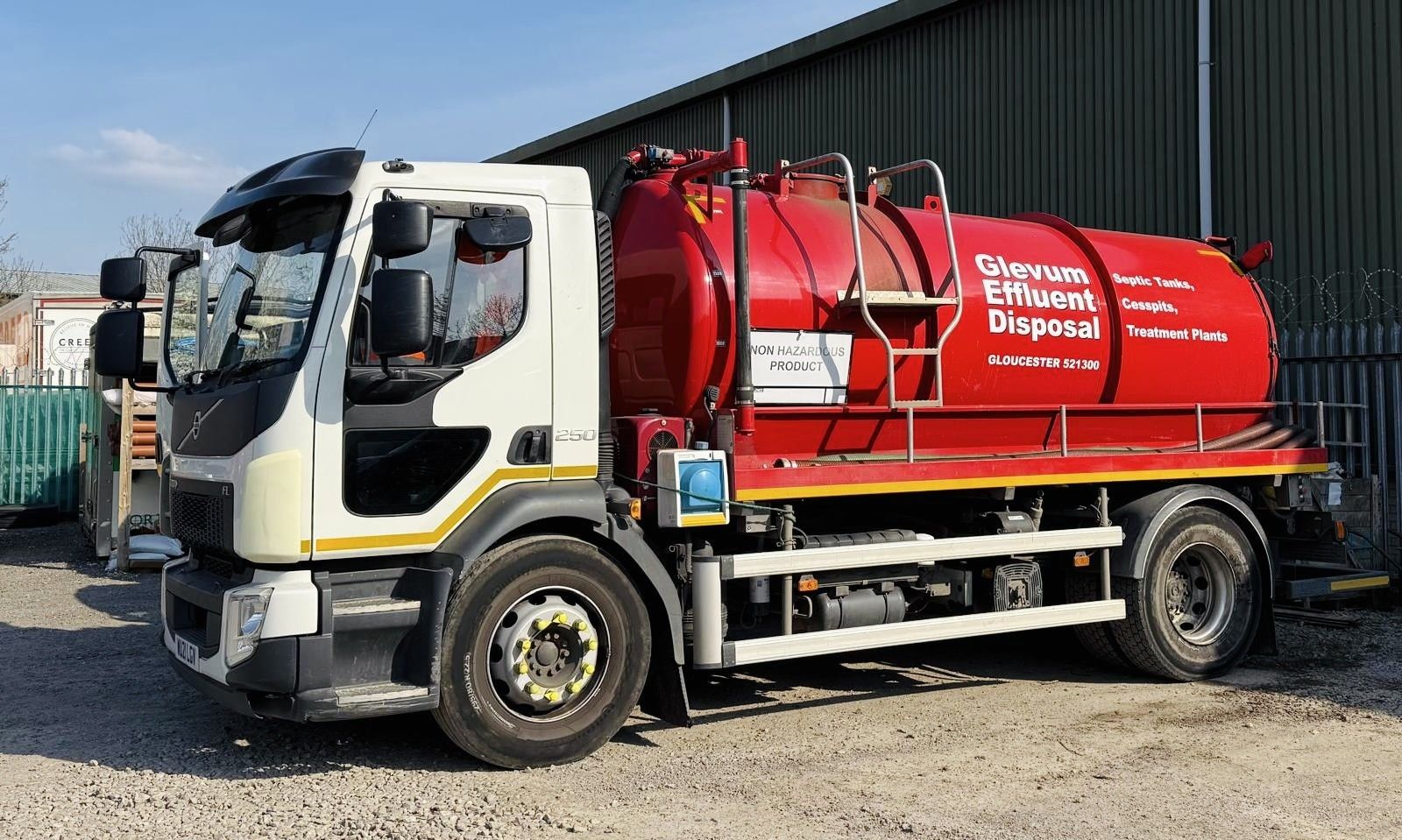
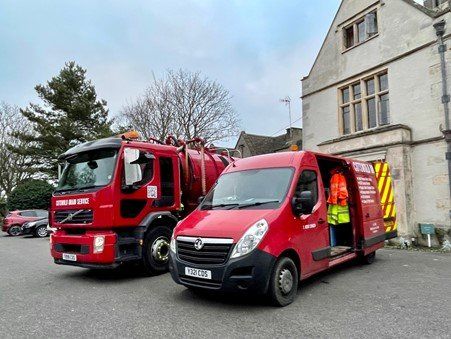
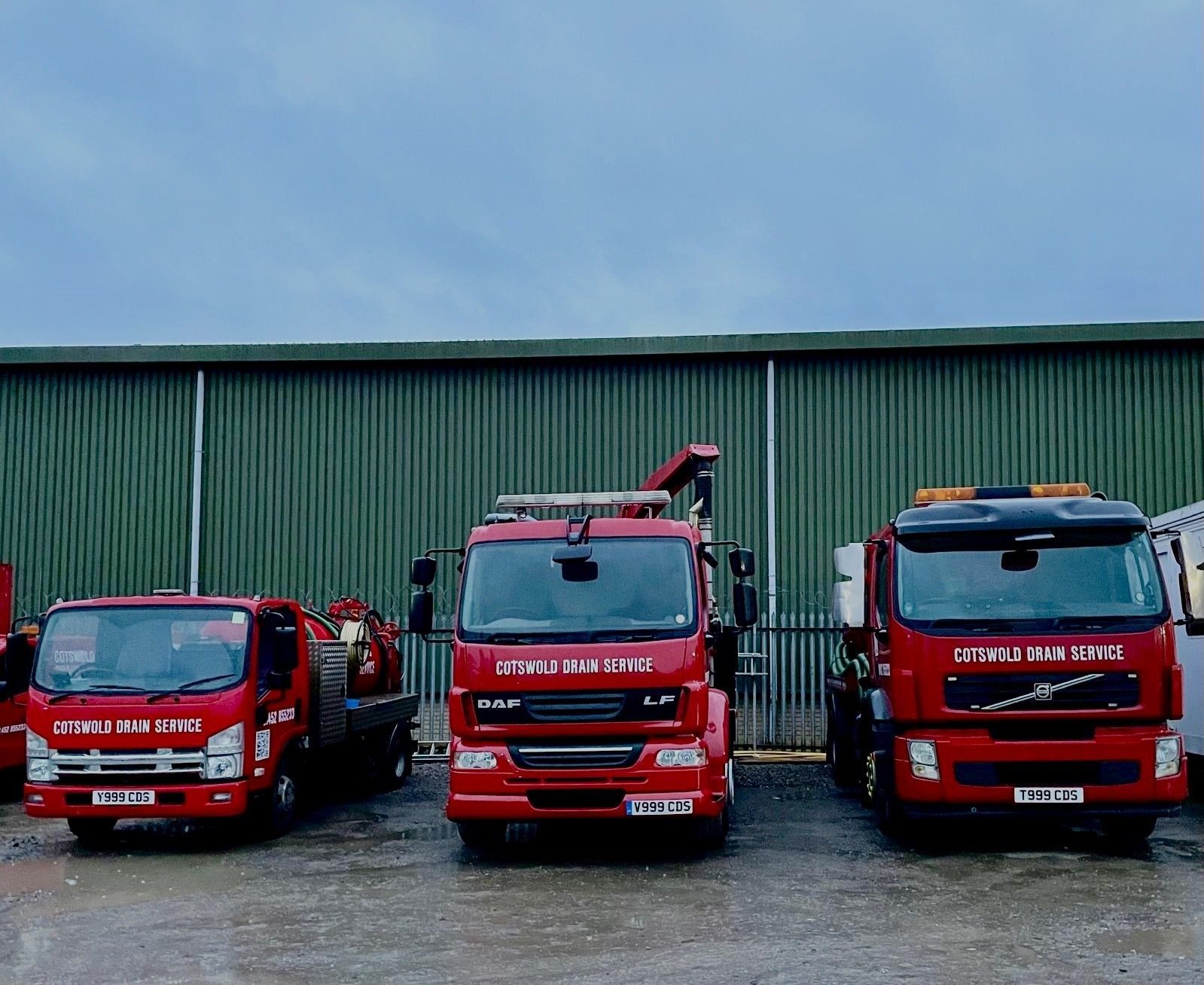
Cotswold Drain Services Ltd & Glevum Effluent Disposal

Gloucestershire is home to a large number of older and period properties, particularly throughout the Cotswolds and surrounding towns and villages. While these properties have character, their drainage systems often require specialist care.

We regularly attend properties across Gloucestershire dealing with:


  • Cracked or collapsed underground pipes caused by ground movement
  • Tree roots entering older drainage systems
  • Narrow or outdated pipework that blocks more easily
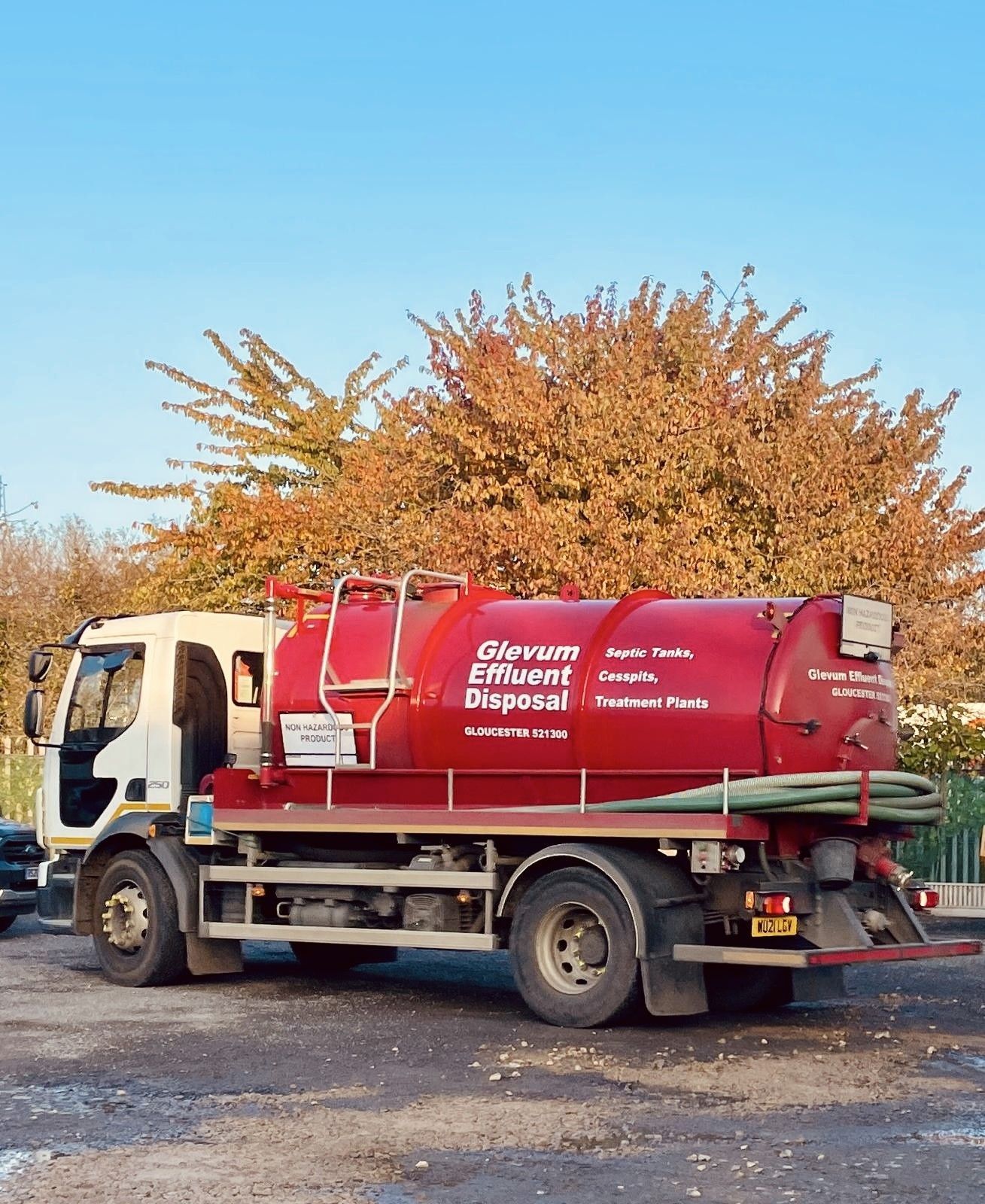
  • Septic tanks that require regular emptying and maintenance


Many older drainage systems were not designed for modern water usage, making them more susceptible to blockages and wear over time.


CCTV drain surveys are an effective way to identify hidden issues and plan repairs before problems escalate. Routine inspections and maintenance can significantly extend the lifespan of older pipework.


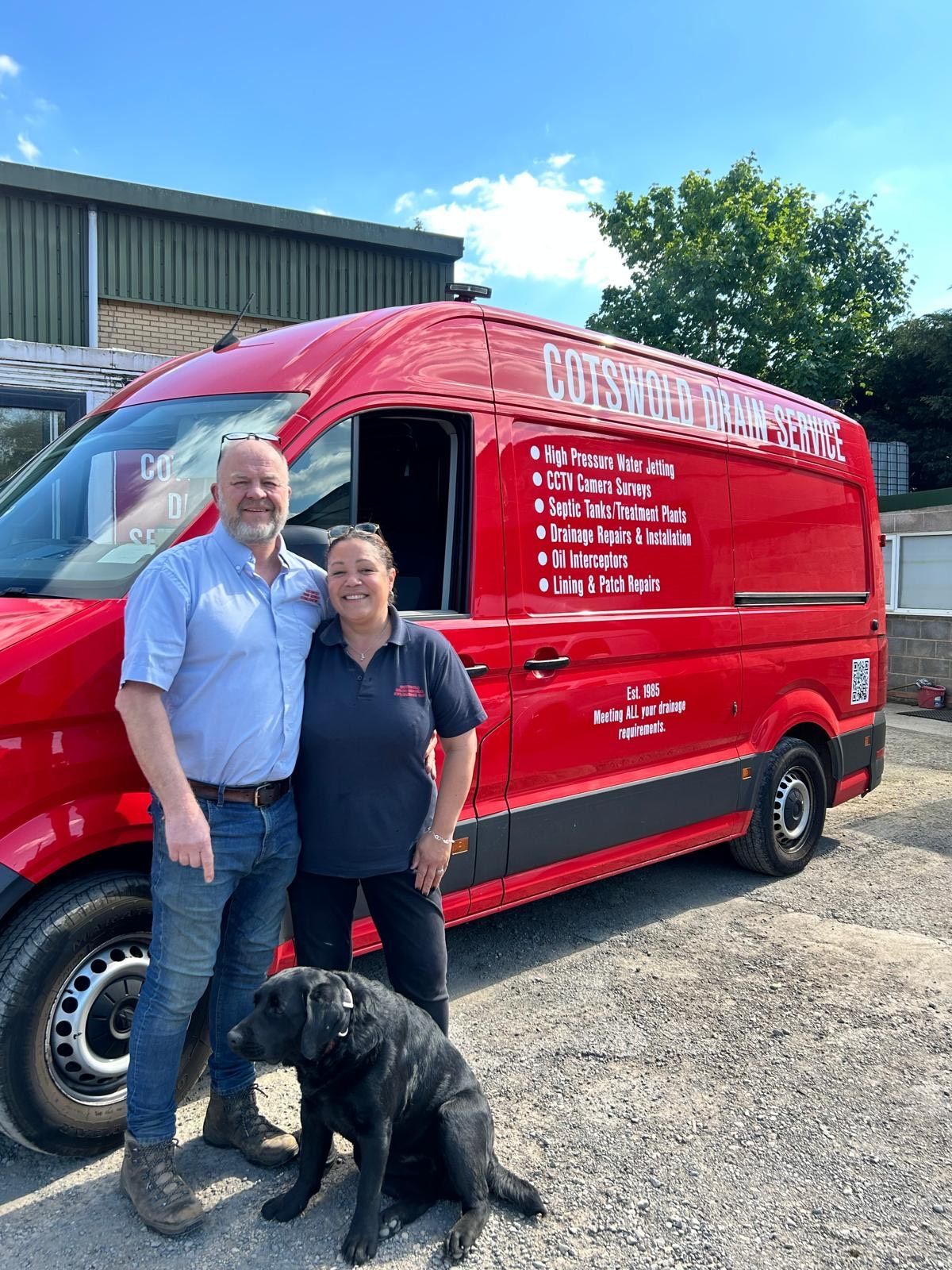
Cotswold Drain Service has extensive experience working with older homes throughout Gloucestershire, providing practical and long-lasting drainage solutions.
MORE LATEST NEWS...

by Cotswold Drain 6 February 2026
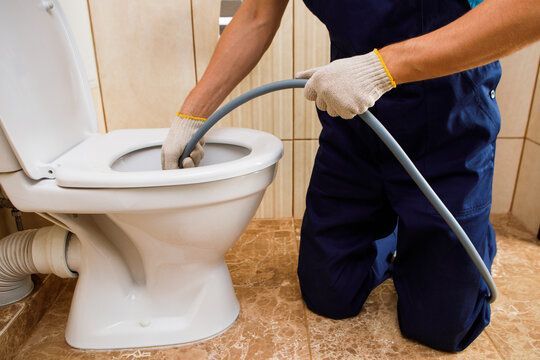
One of the biggest causes of blocked drains is unsuitable items being flushed. Even products labelled “flushable” can build up in pipework and lead to serious blockages. Items that should never be flushed include: Wet wipes and baby wipes Sanitary products Cotton buds and dental floss Cooking oil and grease Paper towels  Preventing these issues is one of the easiest ways to reduce emergency call-outs and keep your drainage system flowing properly.
by Richard Jaques 6 February 2026
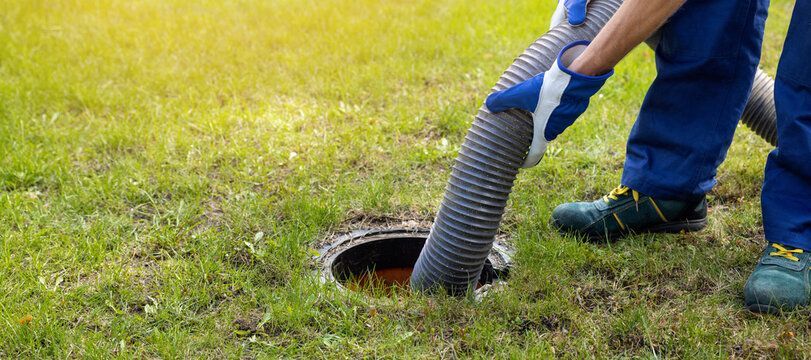
At Cotswold Drain Service , we often attend properties across Gloucestershire where septic tanks have been left too long. Common warning signs include: Slow drainage inside the property Unpleasant smells near drains or the tank area Gurgling sounds from toilets and sinks Wastewater backing up outdoors Regular septic tank emptying helps prevent costly repairs and ensures your system stays compliant and environmentally safe.  If you’re unsure when your tank was last emptied, our team can advise on the right schedule for your property.
by Richard Jaques 27 January 2026
Cheltenham’s mix of older properties, tree-lined streets, and seasonal weather means certain drainage issues crop up again and again.
by Richard Jaques 27 January 2026
Parts of Gloucestershire are more vulnerable to flooding, especially during periods of heavy or prolonged rainfall. Flooding can place additional strain on drainage systems and increase the risk of blockages, backups, and property damage.
by Cotswold Drain 6 February 2026
One of the biggest causes of blocked drains is unsuitable items being flushed. Even products labelled “flushable” can build up in pipework and lead to serious blockages. Items that should never be flushed include: Wet wipes and baby wipes Sanitary products Cotton buds and dental floss Cooking oil and grease Paper towels  Preventing these issues is one of the easiest ways to reduce emergency call-outs and keep your drainage system flowing properly.
by Richard Jaques 6 February 2026
At Cotswold Drain Service , we often attend properties across Gloucestershire where septic tanks have been left too long. Common warning signs include: Slow drainage inside the property Unpleasant smells near drains or the tank area Gurgling sounds from toilets and sinks Wastewater backing up outdoors Regular septic tank emptying helps prevent costly repairs and ensures your system stays compliant and environmentally safe.  If you’re unsure when your tank was last emptied, our team can advise on the right schedule for your property.
by Richard Jaques 27 January 2026
Cheltenham’s mix of older properties, tree-lined streets, and seasonal weather means certain drainage issues crop up again and again.
by Richard Jaques 27 January 2026
Parts of Gloucestershire are more vulnerable to flooding, especially during periods of heavy or prolonged rainfall. Flooding can place additional strain on drainage systems and increase the risk of blockages, backups, and property damage.